
 Tongits
Tongits - Tongits Card Game Guide | Maxey Stats
Tongits is a Filipino-style cards game built around drawing, discarding, and arranging useful sets. The Maxey Stats Tongits table keeps the goal easy to understand: improve your hand, watch the action, and choose a calm finish.
In short, Tongits rewards attention more than rushed clicks. A new player can learn the turn order quickly, while experienced players can refine their discard choices and compare each hand with the information shown on the table.
Tongits companions for a wider card session



Why Tongits is easy to start and rewarding to study
What makes a Tongits round different?
Tongits is a hand-building card game in which the player tries to reduce unmatched cards by creating valid combinations. Each turn gives you a small decision: draw a card, judge whether it improves your plan, then discard one card without revealing too much of your intention. That simple loop makes Tongits approachable, but it also leaves room for timing and observation.
The clearest answer for someone comparing a Tongits Demo with a live-money session is to use the demo as a practice space first. A Tongits Demo can help you recognize sets, runs, and the discard rhythm before you commit a stake. It cannot guarantee a result, because every hand and every opponent decision is independent, but it can make the controls and table signals feel familiar.
On maxey stats Tongits, the useful habit is to keep a fixed session budget and treat the displayed information as a guide rather than a promise. Review the cards you have seen, avoid chasing a weak combination, and pause whenever a decision becomes emotional. The same measured approach works when you move from Tongits to Irich Bingo, although the pace and winning conditions are different.
The practical answer: start with a small, clearly defined session, learn the turn controls, and make every draw or discard serve a visible hand plan. The following sequence describes the usual Tongits flow without pretending that any single move guarantees a win.
A steady Tongits routine is more useful than a complicated trick. Players who enjoy changing pace can also explore the boxing theme in Boxing King, but the same rule remains: understand the action before increasing a stake.
A simple comparison rule
Choose Tongits when you want a focused card table where each turn gives you information to process. Choose a different format when you prefer continuous spins or a faster visual loop. This is also why maxey stats Tongits feels distinct from a slot page: the core question is not “when will the next symbol land?” but “which card best supports the hand I am building?”
Keep the comparison honest. RTP or historical display data can describe a game or platform, but it does not turn a random event into a sure result. If you want a brighter, feature-led alternative after your cards session, Starlight Princess 1000 offers a very different visual rhythm.
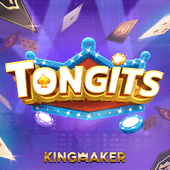
The local Tongits artwork gives the page a quick visual reference for the cards category. Rather than inventing results or fake interface panels, this gallery keeps the real game image in view and pairs it with observations a player can apply while checking the live table.
Use the visual cue to confirm that you are entering Tongits, then move your attention to the actual cards, the public discard area, and the action controls. The image supports orientation; it does not represent a guaranteed hand, a current jackpot, or a live result.
Remember the central idea: Tongits is a cards game about improving a hand through small, visible choices. You do not need to memorize every possibility before starting; you do need a budget, a stop point, and enough patience to inspect each turn.
- Learn before staking more. A Tongits Demo is useful for practicing grouping, drawing, and discarding, but practice cannot remove normal game variance.
- Keep the plan flexible. Hold cards that can join more than one combination and release isolated cards when the hand gives you no reason to keep them.
- Use information responsibly. maxey stats Tongits displays can help you review a session, yet no statistic promises the next card or a winning finish.
- Protect your session. Pause after the stop point you selected, avoid chasing losses, and return only when playing still feels like a controlled leisure activity.
- Explore at your own pace. The maxey stats download apk can make mobile access convenient, while the same responsible habits should remain in every format.
For a final checklist, confirm the game name, review the table controls, set your limit, and then decide whether the next hand still fits your plan. That is the practical way to make a Tongits session clearer without making promises about results.